Live updates: The Synod on Synodality concludes with Pope Francis foregoing apostolic exhortation

Прямая трансляция: Синод по вопросам синодальности завершает свою работу: Папа Франциск издал апостольскую экзорцицию

By AC Wimmer

CNA Newsroom, Oct 26, 2024 / 14:03 pm

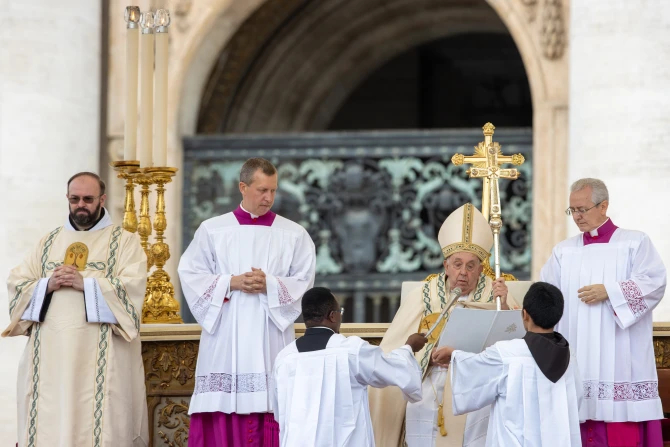
In a striking departure from usual practice, Pope Francis announces he will not issue a post-synodal apostolic exhortation, choosing instead to directly implement the Synod's final document.

”What we have approved in the document is enough,“ the Pope declares, marking a historic shift in how synodal reforms will be implemented in the Catholic Church.

As the XVI Ordinary General Assembly of the Synod of Bishops concludes its second and final session, this step signals a new phase in the Church's synodal journey.

Pope adopts synod document without traditional papal exhortation

Final document published today

Pope announces continued listening process with bishops and local churches

Ten study groups to continue work on specific reform proposals

As the second session of the Synod on Synodality draws to a close, U.S. bishops serving as delegates to the synod share their insights and experiences in a series of interviews this week with EWTN News hosts Catherine Hadro, Matthew Bunson, and Father Thomas Petri, OP.

The bishops highlighted how their interactions with delegates from around the world deepened their appreciation for the universal Church’s challenges and vitality, reports Kristina Millare.

For those concerned about making sure the Synod on Synodality doesn’t open the way to contested changes in Church teaching and practice, the draft version of its final document appears to be good enough.

But it might not stay that way: 1,000 amendments to the text are currently being incorporated into the final document by a small writing team overseen by a commission of synod members.

That text, in turn, will be read to delegates tomorrow, Saturday, who will then vote on it that evening, paragraph by paragraph, before its final approval, writes Jonathan Liedl for the National Catholic Register.

The prefect of the Dicastery for the Doctrine of the Faith announces more in-depth study into the differences between holy orders and authority in order to be able to entrust laywomen with leadership functions in the Church.

Cardinal Victor Fernández makes the statement during a meeting with about 100 members, guests, and experts participating in the synod to hear their questions and proposals regarding the work of group 5, reports Almudena Martínez-Bordiú.

(Story continues below)

Cardinal Victor Fernández has announced that the female diaconate will be the subject of a more in-depth study under the impetus of the proposals sent to the commission assigned to this task. https://t.co/PQY1kqIeEg

Why are these members of a Vatican council poised to play an important role in implementing the results of the Synod on Synodality? Jonathan Liedl explains for the National Catholic Register what the Ordinary Council of the General Secretariat of the Synod is.

"Delegates at the synod voted to select 12 bishops to serve on the Ordinary Council of the General Secretariat of the Synod in the closing days of this year’s session. Among those elected was Bishop Daniel Flores of Brownsville, Texas."-- @JLLiedlhttps://t.co/dl43V4Kl9S pic.twitter.com/jBhVdoD3MI

Archbishop Timothy Broglio explains the importance of balancing collaborative Church governance while maintaining the essential role of bishops in their dioceses. He also shares moving experiences of meeting bishops from regions like Nepal, where Christians are a small minority, and addresses current challenges facing military chaplains in Ukraine and Israel.

Reflecting on the synod, the president of the United States Conference of Catholic Bishops (USCCB) and archbishop for the Military Services, USA, shares insights with EWTN News hosts Catherine Hadro and Matthew Bunson about this year’s Synod on Synodality in Rome.

Cardinal Michael Czerny, prefect of the Dicastery for Promoting Integral Human Development, hopes the legacy of the Synod on Synodality launched by Pope Francis will be the renewal of the Catholic Church as the people of God who walks together to “better carry out the mission that Christ entrusted us” in modern-day society.

The Canadian cardinal tells EWTN News hosts Catherine Hadro and Matthew Bunson: “The central insight of Vatican II is that we are all enjoying equal dignity as Christians by our baptism.” Kristina Millare has more.

With hot-button issues sidelined and major changes seemingly off the table, progressive Catholics feel led astray by synod organizers’ grand promises, writes Jonathan Liedl for the National Catholic Register.

Those who have advocated for things like women deacons and the acceptance of same-sex relations are bracing for a “final cold shower.”

As Synod’s End Nears, Progressives Brace for Disappointment — And Blame OrganizersWith hot-button issues sidelined and major changes seemingly off the table, progressive Catholics feel led astray by synod organizers’ grand promises.⤵️via @JLLiedlhttps://t.co/sA1lXHTQiZ

In a wide-ranging conversation with EWTN News hosts Catherine Hadro and Matthew Bunson, Fort Wayne-South Bend Bishop Kevin Rhoades reflects on the synod’s evolving dialogue, the role of women in the Church — and shares expectations as the assembly flows toward its culminating document this week.

Father Don Bosco Onyalla, editor-in-chief of ACI Africa, CNA’s news partner in Africa, tells CNA in an interview that the theological concept of synodality “where people come together” is a reality and tradition that is already lived among Catholics across the continent. And what are African prelates saying about the gathering in Rome? Kristina Millare reports.

As the Synod on Synodality draws to a close, high-ranking African delegates shared their perspectives on the journey of “walking together as the people of God” and its impact on the life of the Church in Africa.  #Synod2024 #SynodOnSynodality https://t.co/Vr0HFvZlEo

Cardinal Víctor Fernández reaffirms Pope Francis’ position against women’s access to the diaconate, an issue that will continue to be evaluated by a specialized commission while the Synod on Synodality continues to reflect on the role of women in the Church outside of ordained ministry. Almudena Martínez-Bordiú has more.

Watch the EWTN News special from the Vatican covering the last week of the Synod on Synodality. Hosts Catherine Hadro; Father Thomas Petri, OP; and Matthew Bunson analyze the latest developments from the synod with special guests.

Pope Francis canonizes 14 new saints, including a father of eight and Franciscan friars killed in Syria for refusing to renounce their faith and convert to Islam.

Presiding over a Mass in St. Peter’s Square on Sunday, the pope declares three 19th-century founders of religious orders and the 11 “Martyrs of Damascus” as saints to be venerated by the global Catholic Church, commending their lives of sacrifice, missionary zeal, and service to the Church. Courtney Mares reports.

Much rejoicing at the canonization of 14 new saints in the Catholic Church! Saints Giuseppe Allamano, Marie-Léonie Paradis, Elena Guerra, and the holy Martyrs of Damascus, pray for us! pic.twitter.com/PrpxfybM2l

Sources confirm to CNA over the weekend that there is significant frustration among synod delegates over Cardinal Victor Manuel Fernández’s absence from the Friday meeting about the study group on women’s roles in the Church. This includes questions surrounding the possibility of female deacons, notes AC Wimmer.

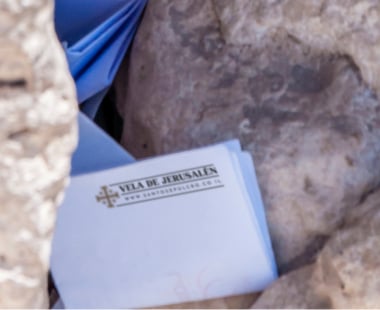
How the meeting was conducted caused outrage, too, as paper slips with an email address were reportedly distributed.

Two prominent Catholics — Cardinal Joseph Zen of Hong Kong and American author George Weigel — level sharp criticisms at the Synod on Synodality, focusing particularly on the Vatican’s approach to China.

The synod takes place against the backdrop of the ongoing debate over the diplomatic relationship between the Holy See and Beijing, particularly the Sino-Vatican deal on bishop appointments, AC Wimmer writes.

Cardinal Zen and George Weigel voice sharp critiques of the Synod on Synodality
Share:
Live updates: The Synod on Synodality concludes with Pope Francis foregoing apostolic exhortation Live updates: The Synod on Synodality concludes with Pope Francis foregoing apostolic exhortation By AC Wimmer CNA Newsroom, Oct 26, 2024 / 14:03 pmIn a striking departure from usual practice, Pope Francis announces he will not issue a post-synodal apostolic exhortation, choosing instead to directly implement the Synod's final document. ”What we have approved in the document is enough,“ the Pope declares, marking a historic shift in how synodal reforms will be implemented in the Catholic Church.As the XVI Ordinary General Assembly of the Synod of Bishops concludes its second and final session, this step signals a new phase in the Church's synodal journey. Pope adopts synod document without traditional papal exhortationFinal document published todayPope announces continued listening process with bishops and local churchesTen study groups to continue work on specific reform proposalsAs the second session of the Synod on Synodality draws to a close, U.S. bishops serving as delegates to the synod share their insights and experiences in a series of interviews this week with EWTN News hosts Catherine Hadro, Matthew Bunson, and Father Thomas Petri, OP.The bishops highlighted how their interactions with delegates from around the world deepened their appreciation for the universal Church’s challenges and vitality, reports Kristina Millare.For those concerned about making sure the Synod on Synodality doesn’t open the way to contested changes in Church teaching and practice, the draft version of its final document appears to be good enough.But it might not stay that way: 1,000 amendments to the text are currently being incorporated into the final document by a small writing team overseen by a commission of synod members.That text, in turn, will be read to delegates tomorrow, Saturday, who will then vote on it that evening, paragraph by paragraph, before its final approval, writes Jonathan Liedl for the National Catholic Register.The prefect of the Dicastery for the Doctrine of the Faith announces more in-depth study into the differences between holy orders and authority in order to be able to entrust laywomen with leadership functions in the Church. Cardinal Victor Fernández makes the statement during a meeting with about 100 members, guests, and experts participating in the synod to hear their questions and proposals regarding the work of group 5, reports Almudena Martínez-Bordiú.(Story continues below)Cardinal Victor Fernández has announced that the female diaconate will be the subject of a more in-depth study under the impetus of the proposals sent to the commission assigned to this task. https://t.co/PQY1kqIeEgWhy are these members of a Vatican council poised to play an important role in implementing the results of the Synod on Synodality? Jonathan Liedl explains for the National Catholic Register what the Ordinary Council of the General Secretariat of the Synod is."Delegates at the synod voted to select 12 bishops to serve on the Ordinary Council of the General Secretariat of the Synod in the closing days of this year’s session. Among those elected was Bishop Daniel Flores of Brownsville, Texas."-- @JLLiedlhttps://t.co/dl43V4Kl9S pic.twitter.com/jBhVdoD3MIArchbishop Timothy Broglio explains the importance of balancing collaborative Church governance while maintaining the essential role of bishops in their dioceses. He also shares moving experiences of meeting bishops from regions like Nepal, where Christians are a small minority, and addresses current challenges facing military chaplains in Ukraine and Israel.Reflecting on the synod, the president of the United States Conference of Catholic Bishops (USCCB) and archbishop for the Military Services, USA, shares insights with EWTN News hosts Catherine Hadro and Matthew Bunson about this year’s Synod on Synodality in Rome.Cardinal Michael Czerny, prefect of the Dicastery for Promoting Integral Human Development, hopes the legacy of the Synod on Synodality launched by Pope Francis will be the renewal of the Catholic Church as the people of God who walks together to “better carry out the mission that Christ entrusted us” in modern-day society.The Canadian cardinal tells EWTN News hosts Catherine Hadro and Matthew Bunson: “The central insight of Vatican II is that we are all enjoying equal dignity as Christians by our baptism.” Kristina Millare has more.With hot-button issues sidelined and major changes seemingly off the table, progressive Catholics feel led astray by synod organizers’ grand promises, writes Jonathan Liedl for the National Catholic Register. Those who have advocated for things like women deacons and the acceptance of same-sex relations are bracing for a “final cold shower.”As Synod’s End Nears, Progressives Brace for Disappointment — And Blame OrganizersWith hot-button issues sidelined and major changes seemingly off the table, progressive Catholics feel led astray by synod organizers’ grand promises.⤵️via @JLLiedlhttps://t.co/sA1lXHTQiZIn a wide-ranging conversation with EWTN News hosts Catherine Hadro and Matthew Bunson, Fort Wayne-South Bend Bishop Kevin Rhoades reflects on the synod’s evolving dialogue, the role of women in the Church — and shares expectations as the assembly flows toward its culminating document this week.Father Don Bosco Onyalla, editor-in-chief of ACI Africa, CNA’s news partner in Africa, tells CNA in an interview that the theological concept of synodality “where people come together” is a reality and tradition that is already lived among Catholics across the continent. And what are African prelates saying about the gathering in Rome? Kristina Millare reports.As the Synod on Synodality draws to a close, high-ranking African delegates shared their perspectives on the journey of “walking together as the people of God” and its impact on the life of the Church in Africa.  #Synod2024 #SynodOnSynodality https://t.co/Vr0HFvZlEoCardinal Víctor Fernández reaffirms Pope Francis’ position against women’s access to the diaconate, an issue that will continue to be evaluated by a specialized commission while the Synod on Synodality continues to reflect on the role of women in the Church outside of ordained ministry. Almudena Martínez-Bordiú has more.Watch the EWTN News special from the Vatican covering the last week of the Synod on Synodality. Hosts Catherine Hadro; Father Thomas Petri, OP; and Matthew Bunson analyze the latest developments from the synod with special guests.Pope Francis canonizes 14 new saints, including a father of eight and Franciscan friars killed in Syria for refusing to renounce their faith and convert to Islam.Presiding over a Mass in St. Peter’s Square on Sunday, the pope declares three 19th-century founders of religious orders and the 11 “Martyrs of Damascus” as saints to be venerated by the global Catholic Church, commending their lives of sacrifice, missionary zeal, and service to the Church. Courtney Mares reports.Much rejoicing at the canonization of 14 new saints in the Catholic Church! Saints Giuseppe Allamano, Marie-Léonie Paradis, Elena Guerra, and the holy Martyrs of Damascus, pray for us! pic.twitter.com/PrpxfybM2lSources confirm to CNA over the weekend that there is significant frustration among synod delegates over Cardinal Victor Manuel Fernández’s absence from the Friday meeting about the study group on women’s roles in the Church. This includes questions surrounding the possibility of female deacons, notes AC Wimmer. How the meeting was conducted caused outrage, too, as paper slips with an email address were reportedly distributed.Two prominent Catholics — Cardinal Joseph Zen of Hong Kong and American author George Weigel — level sharp criticisms at the Synod on Synodality, focusing particularly on the Vatican’s approach to China.The synod takes place against the backdrop of the ongoing debate over the diplomatic relationship between the Holy See and Beijing, particularly the Sino-Vatican deal on bishop appointments, AC Wimmer writes.Cardinal Zen and George Weigel voice sharp critiques of the Synod on Synodality
By AC Wimmer CNA Newsroom, Oct 26, 2024 / 14:03 pmIn a striking departure from usual practice, Pope Francis announces he will not issue a post-synodal apostolic exhortation, choosing instead to directly implement the Synod's final document. ”What we have approved in the document is enough,“ the Pope declares, marking a historic shift in how synodal reforms will be implemented in the Catholic Church.As the XVI Ordinary General Assembly of the Synod of Bishops concludes its second and final session, this step signals a new phase in the Church's synodal journey. Pope adopts synod document without traditional papal exhortationFinal document published todayPope announces continued listening process with bishops and local churchesTen study groups to continue work on specific reform proposalsAs the second session of the Synod on Synodality draws to a close, U.S. bishops serving as delegates to the synod share their insights and experiences in a series of interviews this week with EWTN News hosts Catherine Hadro, Matthew Bunson, and Father Thomas Petri, OP.The bishops highlighted how their interactions with delegates from around the world deepened their appreciation for the universal Church’s challenges and vitality, reports Kristina Millare.For those concerned about making sure the Synod on Synodality doesn’t open the way to contested changes in Church teaching and practice, the draft version of its final document appears to be good enough.But it might not stay that way: 1,000 amendments to the text are currently being incorporated into the final document by a small writing team overseen by a commission of synod members.That text, in turn, will be read to delegates tomorrow, Saturday, who will then vote on it that evening, paragraph by paragraph, before its final approval, writes Jonathan Liedl for the National Catholic Register.The prefect of the Dicastery for the Doctrine of the Faith announces more in-depth study into the differences between holy orders and authority in order to be able to entrust laywomen with leadership functions in the Church. Cardinal Victor Fernández makes the statement during a meeting with about 100 members, guests, and experts participating in the synod to hear their questions and proposals regarding the work of group 5, reports Almudena Martínez-Bordiú.(Story continues below)Cardinal Victor Fernández has announced that the female diaconate will be the subject of a more in-depth study under the impetus of the proposals sent to the commission assigned to this task. https://t.co/PQY1kqIeEgWhy are these members of a Vatican council poised to play an important role in implementing the results of the Synod on Synodality? Jonathan Liedl explains for the National Catholic Register what the Ordinary Council of the General Secretariat of the Synod is."Delegates at the synod voted to select 12 bishops to serve on the Ordinary Council of the General Secretariat of the Synod in the closing days of this year’s session. Among those elected was Bishop Daniel Flores of Brownsville, Texas."-- @JLLiedlhttps://t.co/dl43V4Kl9S pic.twitter.com/jBhVdoD3MIArchbishop Timothy Broglio explains the importance of balancing collaborative Church governance while maintaining the essential role of bishops in their dioceses. He also shares moving experiences of meeting bishops from regions like Nepal, where Christians are a small minority, and addresses current challenges facing military chaplains in Ukraine and Israel.Reflecting on the synod, the president of the United States Conference of Catholic Bishops (USCCB) and archbishop for the Military Services, USA, shares insights with EWTN News hosts Catherine Hadro and Matthew Bunson about this year’s Synod on Synodality in Rome.Cardinal Michael Czerny, prefect of the Dicastery for Promoting Integral Human Development, hopes the legacy of the Synod on Synodality launched by Pope Francis will be the renewal of the Catholic Church as the people of God who walks together to “better carry out the mission that Christ entrusted us” in modern-day society.The Canadian cardinal tells EWTN News hosts Catherine Hadro and Matthew Bunson: “The central insight of Vatican II is that we are all enjoying equal dignity as Christians by our baptism.” Kristina Millare has more.With hot-button issues sidelined and major changes seemingly off the table, progressive Catholics feel led astray by synod organizers’ grand promises, writes Jonathan Liedl for the National Catholic Register. Those who have advocated for things like women deacons and the acceptance of same-sex relations are bracing for a “final cold shower.”As Synod’s End Nears, Progressives Brace for Disappointment — And Blame OrganizersWith hot-button issues sidelined and major changes seemingly off the table, progressive Catholics feel led astray by synod organizers’ grand promises.⤵️via @JLLiedlhttps://t.co/sA1lXHTQiZIn a wide-ranging conversation with EWTN News hosts Catherine Hadro and Matthew Bunson, Fort Wayne-South Bend Bishop Kevin Rhoades reflects on the synod’s evolving dialogue, the role of women in the Church — and shares expectations as the assembly flows toward its culminating document this week.Father Don Bosco Onyalla, editor-in-chief of ACI Africa, CNA’s news partner in Africa, tells CNA in an interview that the theological concept of synodality “where people come together” is a reality and tradition that is already lived among Catholics across the continent. And what are African prelates saying about the gathering in Rome? Kristina Millare reports.As the Synod on Synodality draws to a close, high-ranking African delegates shared their perspectives on the journey of “walking together as the people of God” and its impact on the life of the Church in Africa.  #Synod2024 #SynodOnSynodality https://t.co/Vr0HFvZlEoCardinal Víctor Fernández reaffirms Pope Francis’ position against women’s access to the diaconate, an issue that will continue to be evaluated by a specialized commission while the Synod on Synodality continues to reflect on the role of women in the Church outside of ordained ministry. Almudena Martínez-Bordiú has more.Watch the EWTN News special from the Vatican covering the last week of the Synod on Synodality. Hosts Catherine Hadro; Father Thomas Petri, OP; and Matthew Bunson analyze the latest developments from the synod with special guests.Pope Francis canonizes 14 new saints, including a father of eight and Franciscan friars killed in Syria for refusing to renounce their faith and convert to Islam.Presiding over a Mass in St. Peter’s Square on Sunday, the pope declares three 19th-century founders of religious orders and the 11 “Martyrs of Damascus” as saints to be venerated by the global Catholic Church, commending their lives of sacrifice, missionary zeal, and service to the Church. Courtney Mares reports.Much rejoicing at the canonization of 14 new saints in the Catholic Church! Saints Giuseppe Allamano, Marie-Léonie Paradis, Elena Guerra, and the holy Martyrs of Damascus, pray for us! pic.twitter.com/PrpxfybM2lSources confirm to CNA over the weekend that there is significant frustration among synod delegates over Cardinal Victor Manuel Fernández’s absence from the Friday meeting about the study group on women’s roles in the Church. This includes questions surrounding the possibility of female deacons, notes AC Wimmer. How the meeting was conducted caused outrage, too, as paper slips with an email address were reportedly distributed.Two prominent Catholics — Cardinal Joseph Zen of Hong Kong and American author George Weigel — level sharp criticisms at the Synod on Synodality, focusing particularly on the Vatican’s approach to China.The synod takes place against the backdrop of the ongoing debate over the diplomatic relationship between the Holy See and Beijing, particularly the Sino-Vatican deal on bishop appointments, AC Wimmer writes.Cardinal Zen and George Weigel voice sharp critiques of the Synod on Synodality